


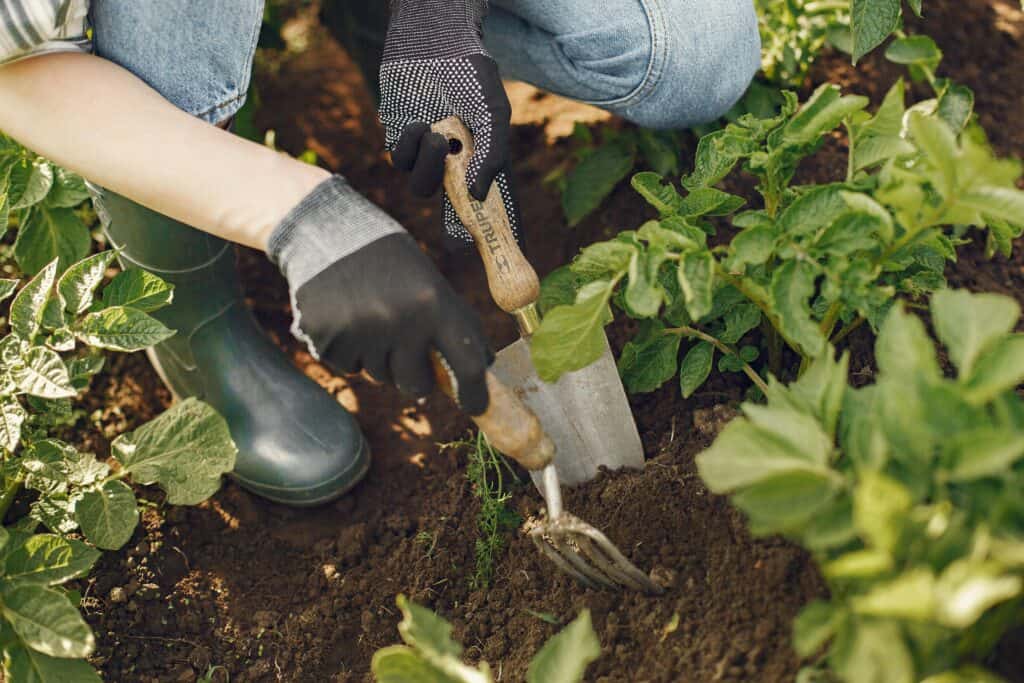
May is Gardening for Wildlife Month. Considering the animals in your area, from the tiniest of hummingbirds to the largest of deer, is a wonderful way to create a thriving ecosystem in your own backyard. Using native plants and trees is a strong trend as gardeners strive to create natural environments without using invasive species.
Gardening for wildlife involves creating a habitat in your garden that is attractive and beneficial to local animals. This can include planting native plants that provide food and shelter for birds, butterflies, and other animals. It can also involve creating water features, such as ponds or bird baths, that provide a source of drinking water for wildlife.
Considering the local wildlife when planting, has many advantages. It can help to promote biodiversity and support local ecosystems, as well as provide a beautiful and relaxing outdoor space for you to enjoy. It can also help to reduce pest problems in your garden, as birds and other animals can help to control insect populations.
Unexpected Gardening Challenges
Gardening comes with challenges—from the unpredictability of Mother Nature to the task of finding the exact plants you want. An often overlooked challenge occurs in the supply chain of plants from greenhouses and nurseries to the dirt in your background. Employee theft at greenhouses can exacerbate the problem of finding good plant selection and the supplies you want. It often has the result of increased prices for aspiring gardeners as businesses try to stay afloat in the midst of financial losses.
Unfortunately, theft at greenhouses by employees can be a problem for those who are trying to create a thriving wildlife garden. This type of theft typically involves employees stealing plants or other gardening supplies from the greenhouse. This can be a frustrating and disheartening experience for gardeners who have put time and effort into creating a beautiful and beneficial garden.
According to statistics from the U.S. Chamber of Commerce, 75% of employees steal from work. And most do so repeatedly. If that’s not enough to get your attention, that same U.S. Chamber of Commerce study says 30% of corporate bankruptcies are a result of employee theft.
Preventing Theft in Greenhouses
Fortunately, there are steps that businesses can take to prevent theft in greenhouses.
- Cautious Hiring
One of the most effective strategies is to screen potential employees carefully before hiring them. This can involve conducting background checks and asking for references from previous employers. King Rogers, who works in security management services for Master Technology Group, suggests background screening and drug tests on all potential hires. Employees with drug addictions are at higher risk for stealing to support their habit.
“It starts with recruiting the employee,” says Rogers. “The theory that has proven itself time and time again is that past behavior predicts future behavior. If someone has been inclined to steal from an employer in the past, or just commit theft in the past, whether it’s from an employer or not, the chances are pretty darn good that they’re going to steal again.”
- Clear Expectations
After hiring, orientation of new employees should include a clear communication of expectations, along with policies and procedures. Creating a culture of honesty and integrity within your workplace can help prevent employee theft.
“If you use a lot of seasonal workers, you can double down on showing the employees you really care about your business,” says Rogers.
Making sure employees feel like part of a team will make their decision to steal more difficult. Even a birthday cake could make that employee think twice, according to Terrence Shulman, founder and director of the Shulman Center for Compulsive Theft, Spending and Hoarding.
- Surveillance Methods
Another strategy for preventing theft in greenhouses is to install high-definition security cameras or other monitoring equipment. This can help to deter theft and make it easier to identify any employees who do engage in theft.
“Business owners walk a tightrope with trust,” says Shulman. “They have to find a middle ground between watching people like a hawk and being too laissez-faire.”
- Keeping a watchful eye
Regular inventory counts and management review of financial accounts will go a long way in the prevention and mitigation of employee theft. Establishing strong internal control policies, such as separating duties, can also help.
By taking steps to prevent employee theft, greenhouses can protect their businesses – ensuring both their company and their customers’ gardens continue to thrive for years to come. It’s a win-win-win situation in which business owners, gardeners, and wildlife benefit.
—
McClelllan, Matt. “How to Reduce Employee Theft.” Nursery Management, October 2016. https://nurserymag.com/article/reduce-employee-theft/. Last accessed April 15, 2023.
