


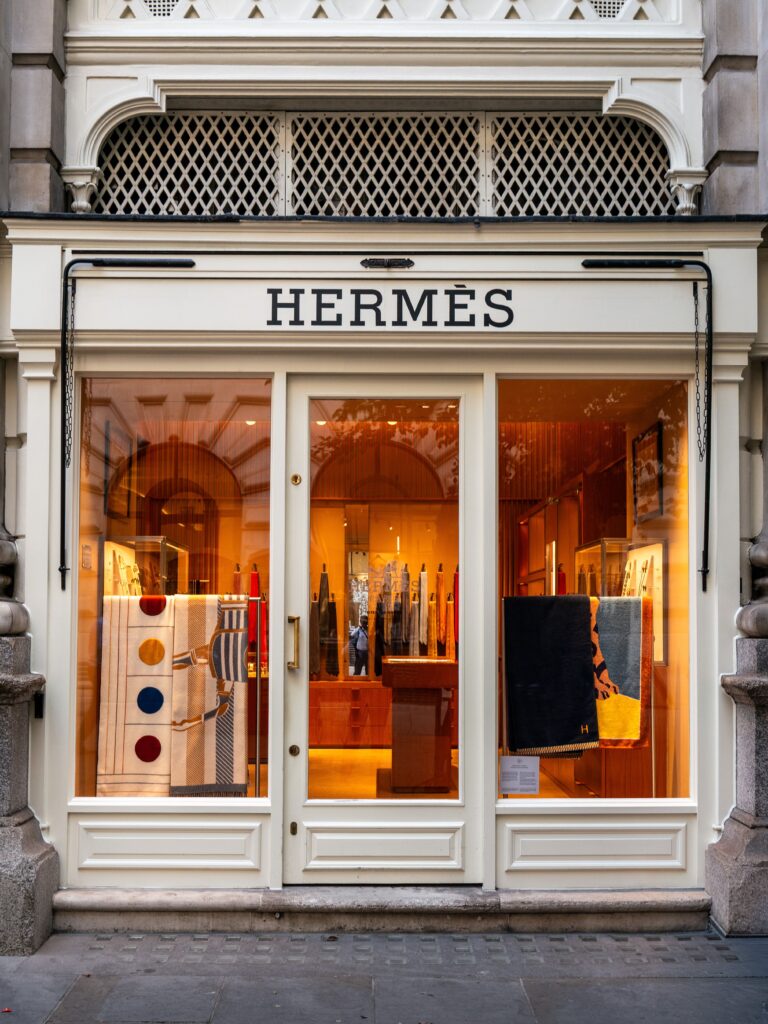
Hermes is a French luxury company founded in Paris in 1837, by Thierry Hermès. The brand is a luxury staple popular for clothing, jewelry, and most notably, handbags. Arguably the most valuable luxury brand at $281 billion as of April 2025.
For such a high value company, there is a need for advisors and representatives who aid in controlling the brand’s massive fortune. Eric Freymond is a financial advisor and has been to many elites in Europe for decades. However, this has not come without some controversy.
In a lawsuit filed by Hermes in 2015, Freymond is alleged to have forged documents and conducted the sale of millions in shares of Hermes stock belonging to fifth generation heir, Nicholas Puech. The stock was sold to a company known as Hermes’ biggest rival until this day, LVMH.
Puech was once Hermes’ largest shareholder, and in 2022 claimed to have discovered $15 million of Puech’s personally owned shares were sold by financial advisor, Freymond without Puech’s knowledge, to LVMH chairman and chief executive Bernard Arnault. For years Freymond admitted to being an advisor for Puech but claimed to have never overseen the Hermes stock specifically.
As the years passed, Freymond admitted to controlling the Hermes stock and stated Puech was aware and had signed documents agreeing to sell shares to Arnault. As the case continued, Puech agreed to having signed the sale documents, not knowing they were contracts to sell company shares because Puech fully trusted Freymond and signed documents without review.
After a long legal battle between the two conglomerates, in 2014 LVMH agreed to distribute the acquired Hermes shares to its own investors. By the end of the proceedings many Hermes executives believe the facts of the case detail a covert raid by a competitor, draining an heir of his shares. Freymond, however, believes he acted in good faith and with Puech’s full knowledge.
Was this a case of fraud, with an advisor acting against his fiduciary duty? Or was this a case of a careless heir, who allowed complete control of his fortune to a trusted advisor? This is difficult to discern but highlights the importance of segregation of duties and proper controls. Had Puech required more verification and higher levels of oversight, one of the greatest financial mysteries of the century could have possibly been prevented.
Photo by Ar kay
